Commercial Roofing Across the Midwest and South: Serving Texas, Florida, Missouri, Kansas, Arkansas, Louisiana, Michigan, Wisconsin, Maine, Mississippi, and Alabama
From commercial roofing in Texas and Florida to Missouri, Kansas, Michigan, Wisconsin, Maine, Mississippi, and Alabama — how 4 Star General Contracting serves commercial properties across multiple states.
4 Star Team
4 Star General Contracting
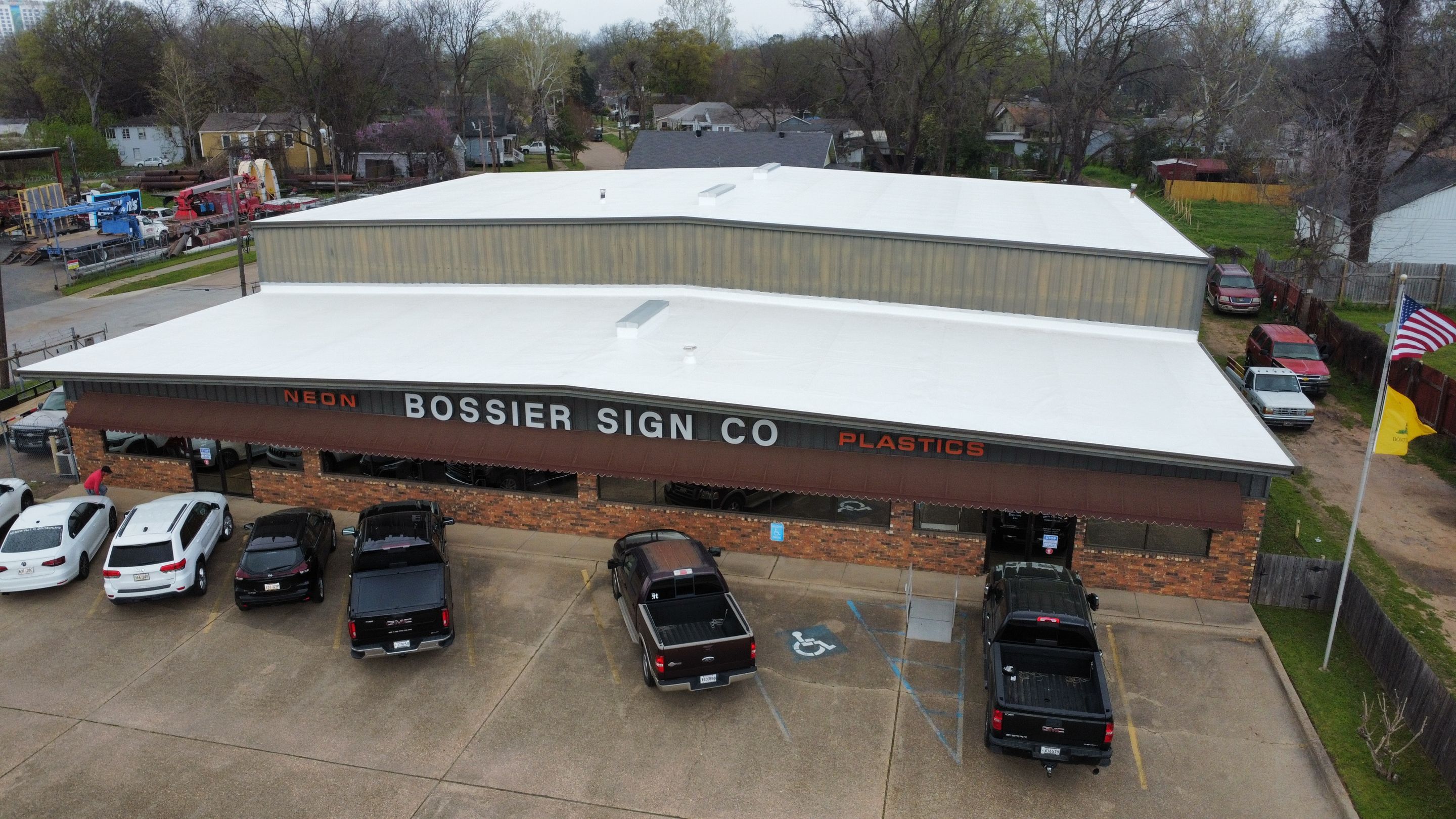
Commercial roofing challenges vary dramatically by region. A warehouse in Houston faces entirely different threats than a manufacturing plant in Michigan or a retail center in Kansas City. Understanding these regional differences is what separates a truly capable multi-state commercial roofing company from a contractor that simply travels to distant job sites. Here's how commercial roofing requirements differ across the states we serve.
Commercial Roofing in Texas
Commercial roofing in Texas contends with extreme heat, intense UV exposure, severe hail (especially in the Dallas-Fort Worth and San Antonio corridors), and occasional hurricane impacts along the coast. Texas commercial roofs need:
- High-reflectivity membranes and coatings to combat 100+ degree summers
- Impact-resistant systems rated for the large hail that Texas supercells produce
- Wind uplift ratings meeting Texas Department of Insurance requirements
- Hurricane-rated systems for coastal properties from Galveston through Brownsville
The Texas commercial roofing market is enormous — the state has more commercial square footage than most countries. Property owners need contractors with both local knowledge and the capacity to handle large-scale projects efficiently.
Commercial Roofing in Florida
Commercial roofing in Florida faces the most demanding wind code requirements in the continental United States. The Florida Building Code requires commercial roof systems to withstand sustained winds up to 175 mph in coastal high-velocity zones. Beyond wind:
- Constant UV exposure degrades roofing materials faster than any other climate factor
- Year-round heat and humidity accelerate biological growth and membrane deterioration
- Hurricane season (June-November) creates both wind damage and catastrophic rainfall events
- Standing water from afternoon thunderstorms tests drainage systems daily
Florida commercial roofing requires contractors certified to install systems that meet the state's stringent testing requirements. Not every commercial roofing system sold nationally meets Florida Product Approval standards.
Commercial Roofing in Missouri
Commercial roofing in Missouri deals with true four-season exposure: ice storms in winter, severe thunderstorms in spring, extreme heat in summer, and rapid temperature swings in fall. The Kansas City and St. Louis metros represent major commercial markets where:
- Freeze-thaw cycling tests every seam, flashing, and penetration detail
- Ice dams on low-slope commercial roofs cause backup under membrane edges
- Missouri's central location in Tornado Alley produces significant wind and hail events
- Building codes vary significantly between municipalities in the metro areas
Commercial Roofing in Kansas
Kansas sits directly in Hail Alley, making commercial roofing in Kansas one of the most insurance-claim-intensive markets in the country. A Kansas commercial roofing company must understand:
- Severe hail frequency — many Kansas commercial roofs experience claims every 3-5 years
- Extreme wind exposure on the open plains with little terrain or tree protection
- The Kansas City metro (Overland Park, Olathe, Lenexa) has specific municipal code requirements
- Agricultural and industrial buildings dominate much of the state, requiring metal and membrane expertise
Commercial Roofing in Arkansas
The Arkansas commercial roofing company working across the state faces terrain-specific weather. The Arkansas Valley around Fort Smith experiences enhanced severe weather, while the Ozark Plateau creates its own microclimate challenges. An Arkansas commercial roofing company must handle:
- Severe thunderstorm damage from March through June
- High humidity that accelerates biological growth and membrane deterioration
- Mixed building stock from modern retail to century-old industrial
- Rural access challenges for materials and equipment delivery
Commercial Roofing in Louisiana
A Louisiana commercial roofing company operates in one of the most demanding climates in the country. From Shreveport's severe thunderstorm exposure to New Orleans' hurricane vulnerability:
- Hurricane-rated systems required throughout much of the state
- Extreme humidity (often above 90%) accelerates every form of roof deterioration
- Heavy rainfall intensity (4-6 inches per hour during tropical events) overwhelms standard drainage
- Chemical exposure from petrochemical facilities requires specialty membrane systems in industrial areas
Commercial Roofing in Michigan
Commercial roofing in Michigan faces brutal winter conditions — heavy snow loads, ice dam formation, and freeze-thaw cycling from October through April. Michigan commercial roofs require:
- Structural design for significant snow loads (30-50 psf in northern Michigan)
- Ice and water shield at all vulnerable areas, not just minimum code requirements
- Membrane systems that maintain flexibility at -20°F and below
- Insulation values meeting Michigan's energy code (among the most stringent in the Midwest)
Commercial Roofing in Wisconsin
Commercial roofing in Wisconsin shares Michigan's cold-climate challenges with additional lake-effect considerations near Lake Michigan. Wisconsin's commercial building stock includes significant manufacturing and industrial facilities that need:
- High-R-value insulation systems for energy efficiency in extreme cold
- Snow-load rated structures and proper drainage for seasonal melt
- Metal roofing systems designed for snow shedding on sloped applications
- Condensation management in heated industrial facilities
Commercial Roofing in Maine
Commercial roofing in Maine faces the Northeast's harshest conditions — nor'easter storms, heavy wet snow, ice dams, and salt-air corrosion in coastal areas. Maine's commercial properties need:
- Exceptional wind resistance for nor'easter sustained winds
- Snow load capacity for 50-70 psf in many regions
- Corrosion-resistant materials for coastal commercial properties
- Short construction seasons requiring efficient project execution
Commercial Roofing in Mississippi and Alabama
Commercial roofing in Mississippi and commercial roofing in Alabama share similar Southeast climate challenges — extreme humidity, severe thunderstorms, occasional tropical impacts, and intense summer heat. Both states require:
- High wind-rated systems for tornado and hurricane exposure
- UV-resistant membranes for year-round intense solar exposure
- Superior drainage design for heavy rainfall events
- Algae and biological growth resistance in the humid subtropical climate
Multi-State Commercial Roofing Capability
4 Star General Contracting serves commercial properties across Oklahoma, Texas, Florida, Missouri, Kansas, Arkansas, Louisiana, Michigan, Wisconsin, Maine, Mississippi, and Alabama. Our multi-state capability means consistent quality standards, warranty support regardless of location, and the scale to handle projects of any size. Whether you need a commercial roofer in Oklahoma City, a commercial roofer in Fort Smith AR, a commercial roofer in Shreveport LA, or commercial roofing in Kansas City — one call provides access to certified commercial roofing expertise.